Stocking Your Pantry - Part 1
1/13/20263 min read
I do receive a commission from Amazon for any clicks on links to their website, so if you could help me out by clicking on any of those links, it would be greatly appreciated!
In my last post I talked about beginning a series on cheap, easy, and filling meals, but if you have to go out and buy the items for them every time, well, that's not easy, is it? And in these uncertain times of job layoffs, etc., having a supply of foodstuffs on hand that you can cook and NOT have to go to the grocery store right away when funds are tight would definitely make a stressful time a bit easier.
In this post I'm going to talk about stocking your pantry.
First.. you don't have to have a huge "pantry" location in your kitchen. I have a very small house with limited storage space, so I got creative in how I added space to stock up on pantry staples. I converted a small closet in my guest room into a small pantry area for dry goods, but you can truly stick them anywhere, even in a box under your bed. So, if you have limited space, get creative and think about where you could put dry goods that are in aluminum cans, plastic containers, etc. so will not attract pests! - so that you can stock up a bit.
Now, there are a couple things to keep in mind.
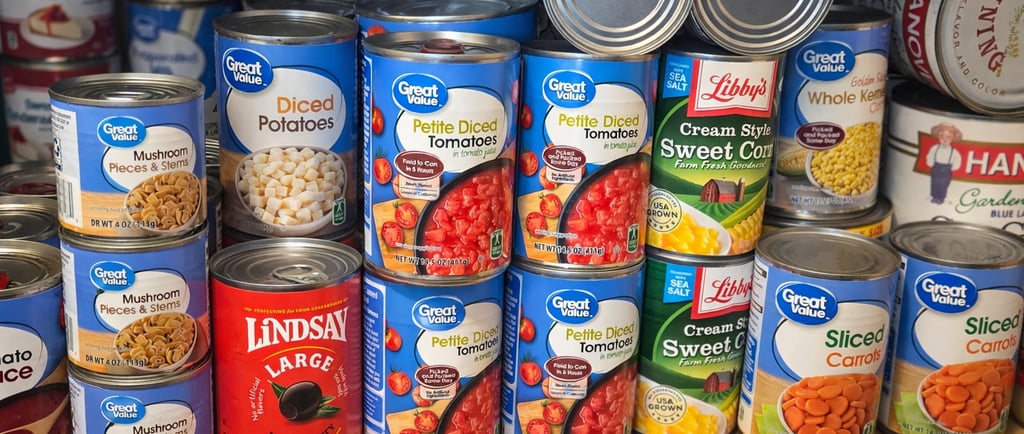
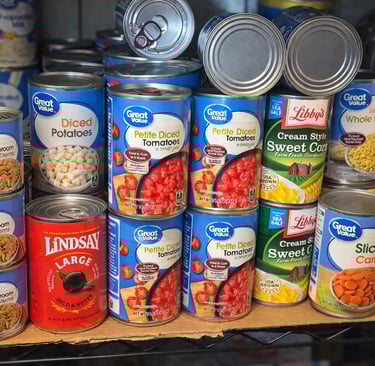
First, you don't have to spend a lot of money. Start slowly by picking up a couple canned items or bags of rice or pasta each time you get groceries and add them to your pantry. The key, though, is to get items that you know you will eat. Stocking canned or dry goods that you have never eaten before and don't know for sure you will like/use means you will be using valuable space for essentially useless items. So, only buy items you know you will use. Some suggested ones would be -
canned and crushed tomatoes, tomato sauce, and tomato paste so you can make homemade pasta sauce (recipe coming soon), tomatoes with green chilies for making Mexican dishes, etc.
canned vegetables that you will eat. Don't take up valuable space with vegetables you won't eat
canned beans, including chili beans for making chili
canned meats that you will eat like salmon, tuna, Spam (GREAT for breakfast dishes), etc.
canned sliced and diced potatoes good for adding to stews, etc. or frying up for breakfast!
dried lentils
dried beans of different types like kidney, great northern, pinto, blackeyed peas, and black beans
These are just suggestions, and there are so many other things you can stock up on cheaply like dried potato pouches. Think about what you will eat and start adding those ingredients to your pantry.
Another important thing to remember is to utilize a "first in, first out" practice with your pantry meaning when you take items out of it, take the ones that have been in there the longest and use them first. Canned goods will last a long time, even past their "use by" dates, and can be used as long as the cans aren't bulging or have visible dents in them, but you still want to use the oldest ones first. And that's key - you need to USE YOUR PANTRY ITEMS.
You can also stock rice.
Rice lasts a long time, if prepared and stored properly, so if you buy rice to put in your pantry, the first thing you should do when you get home with it is put it in your freezer for 24 hours. Why? To kill anything that might be in it like insect eggs or larva.
Yup, that's a thing. Listen to Nona.. don't think about it, OK? Just freeze your rice for 24 hours before putting it in your pantry.
Also, brown rice won't last as long in your pantry as white rice because of the natural oils in it, so if you want to put some brown rice in your pantry, don't forget to use it.
In my next post I am going to talk about how to properly store rice and other dry goods staples in your pantry, so stay tuned!